
Seeing Australia
I saw most of the country through the window of an aeroplane, from the driver’s seat of a rental car and on foot across dusty, remote and sometimes remarkable sites.
After 11 years on the road, it was time to look back, not only at the audits, flights and kilometres, but at the people, pressure, resilience and family moments that shaped the reason Cultiv8 Support Network exists today.
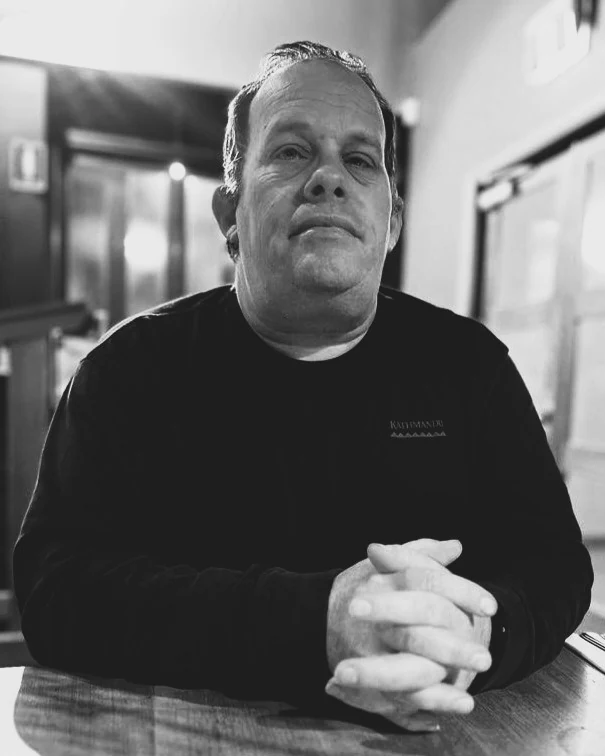
For 11 years I worked as a full-time auditor. It was a journey that shaped not only my career, but my life as I know it today.
I saw extraordinary businesses, travelled across most of Australia and formed thousands of relationships with growers, business owners, workers, colleagues and industry leaders. I was trusted to step inside businesses, understand how they worked, identify risk and help protect products, people and market access.
There was plenty to be proud of. There was also a cost that is difficult to explain unless you have lived a life constantly moving between airports, rental cars, motels and unfamiliar worksites.
Auditing gave me opportunities, relationships and experiences I will always value.
I saw most of the country through the window of an aeroplane, from the driver’s seat of a rental car and on foot across dusty, remote and sometimes remarkable sites.
I formed thousands of relationships with colleagues, clients, farmers, workers, business owners and industry leaders. Many remain among the best people I have had the privilege to know.
Every audit was a glimpse into a different operation. I saw outstanding systems, difficult conditions, committed teams, innovative ideas and businesses quietly doing exceptional work.
People encouraged me, trusted me and gave me opportunities to develop. Those moments when someone effectively said, “You’ve got this,” meant more than they probably realised.
Auditors often see a business at a vulnerable time. People open their records, explain their decisions and allow someone from outside to examine what they have built. I never forgot that trust or the responsibility that came with it.
Most trips meant four nights away. Airports became a second home, and family life continued while I watched from interstate.
There were months with as many as 25 flights and weeks with 12. I often needed a reality check at an airport: Where am I? What town am I heading to? What day is it?
I missed birthdays, milestones, quiet mornings and ordinary family dinners. More than once, tears rolled down my face as I left home or sat outside another site preparing to walk into another audit.
There were frightening calls about my wife’s health, my sons being injured and family car accidents. I was interstate, unable to get there immediately, and completely helpless in the moment.
There were 18-hour days and months of roughly 220 hours, while employed on a salary based around a standard working week. I kept going because I believed the sacrifice might put my family in a better position.
On one trip I became violently ill and left my motel door open in case someone needed to collect me. I made it back to Tasmania, went straight from the airport to hospital and spent a week there. The specialist later told me I had been very fortunate.
Some clients made it clear they did not want me on their property. I learned to absorb the initial anger, remain honest and respectful, listen carefully and earn trust through the way I conducted myself.
Late one night in Devonport, shouting and banging erupted in the motel room next door. A man had been locked out of the room by a female, he repeatedly demanded: “Give me back my $20!” Police attended. As per the Police orders, he left then returned about 10 minutes later and started repeatedly chanting and banging again.. The Police returned, he received the $20 he was demanding as refund, then finally left.
Life on the road produced plenty of awkward, strange and unforgettable moments. Humour was often what made the next morning easier.
“The job gave me stories, friendships, resilience and pride. But it also taught me that being present matters, and that good support should help people, not simply add pressure.”Geordie Wright
The road gave me broad exposure to businesses, standards, risks and people. Cultiv8 now turns that experience into practical support tailored to each client.
I know what it feels like when the audit is approaching, evidence is scattered and the business still has to keep operating.
Years across different operations showed me which systems help people and which ones create unnecessary administration.
People maintain requirements better when they understand why they matter, what the risk is and what good evidence looks like.
The right solution must fit the business, its people, production, risks, customers and available resources.
Clients receive direct, practical support from someone who has worked in agriculture, management, quality systems and auditing.
The objective is not just a document. It is a system that people understand, use and can confidently demonstrate.
Whether an audit is close, a complete system needs to be built or the existing paperwork has become too difficult to maintain, Cultiv8 Support Network can help turn the requirements into a practical plan.